The Wall Cleaning Solution That’s Quick & Easy

Walls are among the largest surfaces in any home, yet they often receive the least attention. Over time, fingerprints, dust, grease, scuff marks, pet stains, food splatters, and everyday grime accumulate, causing walls to appear dull and neglected. A highly effective wall cleaning solution, combined with the right cleaning techniques, can restore walls to a clean, bright appearance without damaging paint or finishes.
This comprehensive guide covers the best homemade wall cleaning solution, professional cleaning methods, stain removal techniques, room-by-room wall maintenance, and long-term strategies for keeping walls spotless.
Best Homemade Wall Cleaning Solution
A simple mixture of common household ingredients can effectively remove dirt, fingerprints, and light stains from most painted walls.
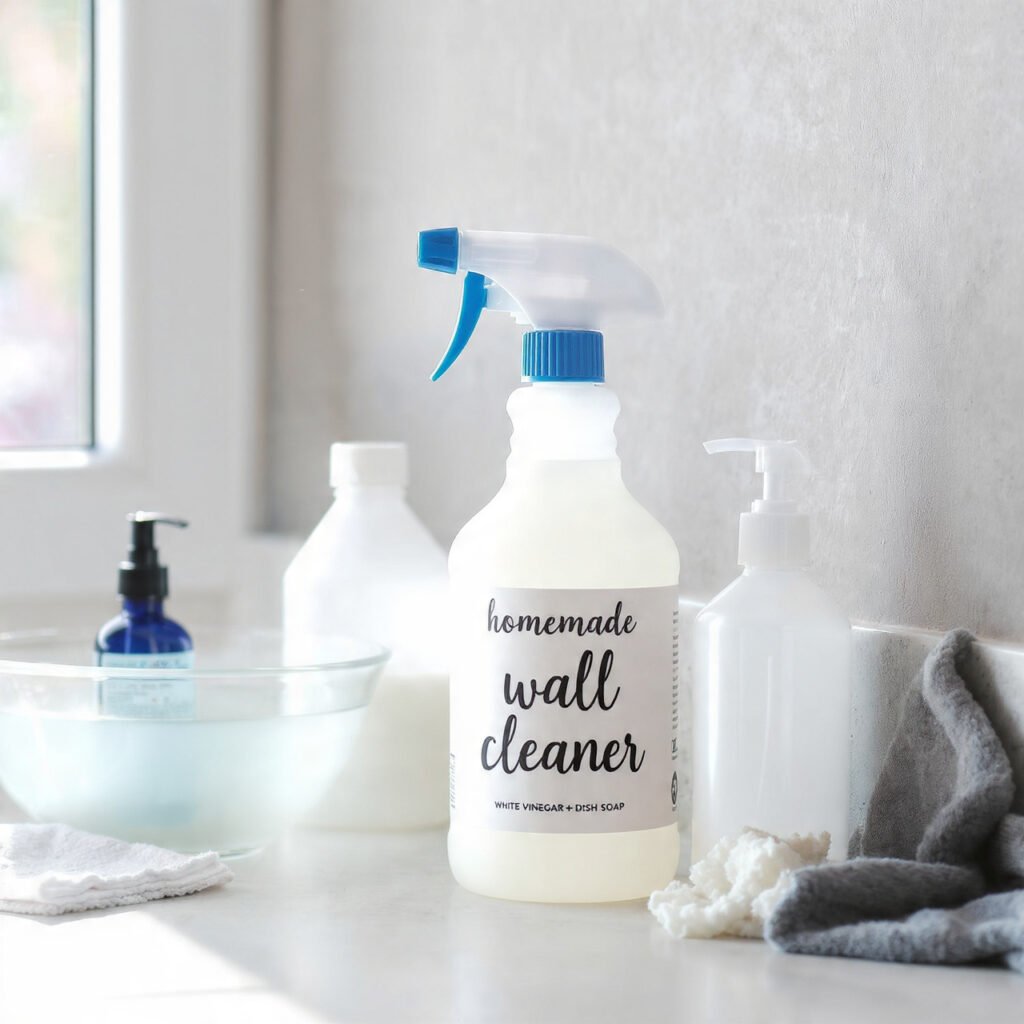
Ingredients
- 2 cups warm water
- 1 teaspoon mild dish soap
- 1 tablespoon baking soda
- 1 tablespoon white vinegar
- Spray bottle
- Microfiber cloth
- Soft sponge
Preparation
- Pour warm water into a clean spray bottle.
- Add dish soap.
- Add baking soda.
- Add white vinegar.
- Close the bottle securely.
- Gently swirl until fully combined.
Application Method
- Spray the solution onto a microfiber cloth rather than directly onto the wall.
- Wipe using gentle circular motions.
- Focus on fingerprints, smudges, and visible stains.
- Work in small sections.
- Use a clean damp cloth to remove any residue.
- Allow walls to air dry.
This method minimizes moisture exposure and helps protect painted surfaces from streaking or water damage.
Why Walls Become Dirty Faster Than Expected
Many homeowners underestimate how quickly walls accumulate contaminants. Unlike furniture or floors, wall grime builds gradually and often goes unnoticed until discoloration becomes obvious.
Common sources include:
- Handprints
- Dust particles
- Cooking grease
- Pet contact
- Children’s fingerprints
- Smoke residue
- Airborne pollutants
- Backpack and furniture scuffs
High-traffic areas can show visible dirt accumulation within weeks.
Areas of the Home That Require Frequent Wall Cleaning
Certain sections of a house experience significantly more contact and therefore require regular attention.
Light Switch Areas
The walls surrounding switches are constantly touched by hands carrying oils, dirt, and moisture.
Common Issues
- Fingerprints
- Dark smudges
- Grease buildup
Hallways
Hallways are among the highest-contact areas in any home.
Typical Marks
- Shoulder scuffs
- Backpack streaks
- Handprints
- Dirt transfer
Staircases
Walls near stair railings often accumulate marks due to repeated contact.
Frequent Problems
- Palm prints
- Shoe scuffs
- Dust accumulation
Kitchen Walls
Cooking activities generate airborne grease and moisture that settle onto walls.
Common Kitchen Stains
- Oil splatter
- Food residue
- Beverage spills
- Steam-related discoloration
Entryways
Walls near doors collect dirt rapidly because of constant traffic.
Typical Contaminants
- Mud splashes
- Handprints
- Bag marks
- Pet contact
Choosing the Right Tools for Wall Cleaning
Using proper cleaning tools is as important as selecting the right solution.
Microfiber Cloths
Microfiber cloths are considered the gold standard for wall cleaning.
Advantages
- Trap dust effectively
- Prevent streaking
- Gentle on paint
- Reusable and washable
Soft Sponges
Soft sponges provide additional cleaning power for stubborn stains.
Best Uses
- Sticky residue
- Food splatters
- Heavier grime
Avoid abrasive scrubbers that may damage paint finishes.
Flat Microfiber Mops
For large walls and tall spaces, microfiber mops significantly speed up cleaning.
Benefits
- Faster coverage
- Reduced physical strain
- Consistent cleaning pressure
- Better reach for high walls
How to Clean Walls Without Damaging Paint
Different paint finishes require different cleaning approaches.
Flat Paint
Flat paint is highly susceptible to damage.
Recommendations
- Use minimal moisture
- Apply gentle pressure
- Avoid aggressive scrubbing
Eggshell Paint
Eggshell finishes tolerate mild cleaning.
Best Practice
- Damp microfiber cloth
- Mild cleaning solution
- Gentle wiping motions
Satin Paint
Satin paint is more durable and easier to clean.
Suitable For
- Family rooms
- Hallways
- Children’s rooms
Semi-Gloss and Gloss Paint
These finishes withstand regular cleaning exceptionally well.
Ideal Cleaning Method
- Mild soap solution
- Microfiber cloth
- Occasional deeper cleaning
Step-by-Step Process for Cleaning an Entire Room
When multiple walls require cleaning, a systematic approach saves time and improves results.
Step 1: Dust First
Remove loose dust using:
- Microfiber duster
- Dry cloth
- Vacuum with brush attachment
Cleaning dusty walls without dust removal often creates muddy streaks.
Step 2: Work From Top to Bottom
Always begin near the ceiling and move downward.
Benefits include:
- Preventing drip marks
- Maintaining consistency
- Reducing rework
Step 3: Clean in Sections
Divide walls into manageable sections.
Recommended size:
- Approximately 3–4 feet wide
- Overlapping edges for uniform appearance
Step 4: Treat Problem Areas
Spend additional time on:
- Switch plates
- Door frames
- Hallway corners
- Kitchen splash zones
tep 5: Final Inspection
Allow walls to dry and inspect under natural light.
Look for:
- Missed fingerprints
- Remaining stains
- Cleaning streaks
Removing Common Wall Stains
Different stains require slightly different treatment methods.
Fingerprints
Fingerprints are typically caused by skin oils.
Solution
- Microfiber cloth
- Mild soap mixture
- Gentle circular wiping
Scuff Marks
Scuffs commonly result from shoes, furniture, or bags.
Removal Method
- Soft damp cloth
- Baking soda paste
- Gentle rubbing
Avoid excessive pressure.
Grease Stains
Kitchen grease requires stronger cleaning action.
Effective Mixture
- Warm water
- Dish soap
- Vinegar
The degreasing properties help break down oily residue.
Crayon Marks
Crayons often adhere strongly to painted surfaces.
Best Technique
- Damp microfiber cloth
- Mild dish soap
- Slow circular cleaning
Test in an inconspicuous area first.
Water Marks
Water stains may indicate moisture issues.
Treatment
- Clean surface residue.
- Dry thoroughly.
- Identify and repair moisture source.
Persistent staining may require repainting.
How Often Should Walls Be Cleaned?
Cleaning frequency depends on household activity levels.
| Area | Recommended Frequency |
|---|---|
| Hallways | Every 1–2 months |
| Kitchens | Monthly |
| Entryways | Monthly |
| Bedrooms | Every 3–6 months |
| Living Rooms | Every 3–6 months |
| Children’s Rooms | Monthly |
| Stairways | Every 2–3 months |
Regular maintenance prevents deep grime buildup.
Professional Tips for Keepi
Preventive maintenance dramatically reduces cleaning requirements.
Address Marks Immediately
Fresh stains are significantly easier to remove than older stains.
Use Washable Paint Finishes
For high-traffic areas, consider:
- Satin paint
- Semi-gloss paint
These finishes resist staining and withstand repeated cleaning.
Control Indoor Dust
Reduce airborne particles by:
- Vacuuming frequently
- Replacing HVAC filters
- Dusting furniture regularly
Protect High-Traffic Zones
Install protective solutions such as:
- Chair rails
- Corner guards
- Wall panels
These features reduce direct wall contact.
Establish a Quick Maintenance Routine
Every two weeks:
- Inspect light switch areas.
- Check hallways.
- Wipe visible fingerprints.
- Clean entryway walls.
This simple habit prevents extensive cleaning sessions later.
Common Wall Cleaning Mistakes to Avoid
Many homeowners unintentionally damage walls during cleaning.
Spraying Directly Onto Walls
Excess moisture can:
- Cause streaking
- Soften paint
- Leave residue
Always spray onto the cloth first.
Using Abrasive Scrubbers
Rough materials can:
- Remove paint
- Create shiny spots
- Scratch surfaces
Use only soft cleaning tools.
Oversaturating Walls
Too much water may lead to:
- Paint damage
- Water stains
- Extended drying times
A lightly damp cloth is usually sufficient.
Skipping Spot Testing
Always test cleaning solutions in an inconspicuous area before treating visible sections.
The Most Effective Way to Freshen Up Walls
A quality wall cleaning solution combined with proper cleaning techniques can dramatically improve the appearance of any room. Fingerprints, smudges, grease, and everyday grime are easy to remove when addressed consistently using gentle cleaning products and microfiber materials.
By focusing on high-contact areas, working methodically, and maintaining a simple cleaning routine, we can keep painted walls looking bright, fresh, and professionally maintained throughout the year without resorting to harsh chemicals or time-consuming deep-cleaning projects.
Confiez vos défis de code les plus ardus à Codex
Passez à Plus pour un raisonnement avancé, des réponses plus rapides, l’analyse de fichiers et un usage étendu de Codex pour le débogage, la refactorisation et la revue de code.
Passer à l’offre supérieure