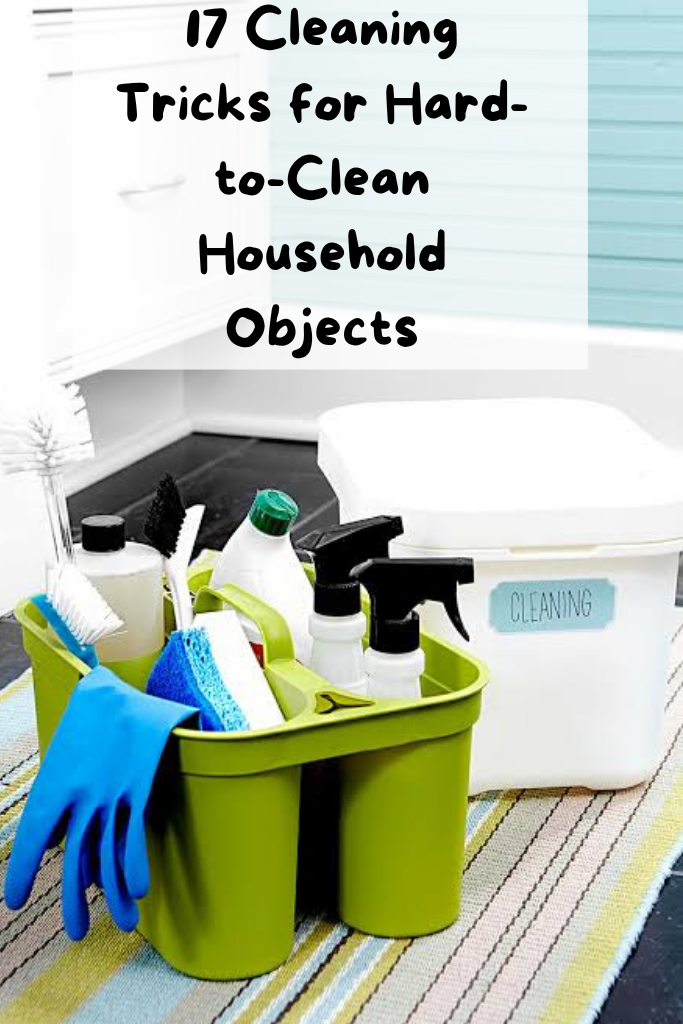
17 Cleaning Tricks for Hard-to-Clean Household Objects
Some household items seem determined to stay dirty no matter how much you scrub. You clean them once, turn around, and somehow there’s dust, grime, grease, or mysterious buildup right back where you started. Honestly, who invited all that dirt?
The good news? You don’t always need expensive specialty cleaners. A few simple household ingredients and the right cleaning technique can make surprisingly difficult objects much easier to clean.
From greasy kitchen tools to dusty lampshades and grimy showerheads, these 17 cleaning tricks for hard-to-clean household objects will help you tackle the spots you usually avoid.
1. Clean a Greasy Range Hood Filter
Range hood filters collect an impressive amount of grease. If you’ve never cleaned yours, prepare yourself—it may be hiding more grime than you want to know about.
Remove the filter and soak it in very hot water with dish soap and baking soda. Let it sit for 20–30 minutes before gently scrubbing with an old brush.
Rinse thoroughly and let it dry completely before putting it back.
Tip: Clean the filter every few months if you cook frequently.
2. Make Showerheads Sparkle Again
Mineral deposits can slowly clog showerhead holes and reduce water pressure.
Fill a plastic bag with white vinegar, place it over the showerhead, and secure it with a rubber band. Let it sit for 30–60 minutes.
Remove the bag, scrub away loosened deposits with an old toothbrush, and run the shower for a few minutes.
Avoid vinegar on delicate finishes unless the manufacturer says it is safe.
3. Get Dust Out of Lampshades
Fabric lampshades are magnets for dust, but scrubbing them can damage the material.
Instead, use a clean lint roller over the entire shade. For stubborn dust, use a vacuum cleaner with a soft brush attachment on a low setting.
Work gently from top to bottom.
It takes only a few minutes and makes the entire lamp look cleaner instantly.
4. Clean Blinds Without Removing Them
Cleaning every individual blind slat can feel like punishment.
Wrap a microfiber cloth around a pair of kitchen tongs and secure it with rubber bands. Slide the cloth-covered tongs over each slat.
This lets you clean both sides more easily without removing the blinds.
Bonus: Slightly dampen the microfiber cloth if dry dust isn’t enough.
5. Remove Grime From Door Tracks
Sliding doors often have filthy tracks that are surprisingly difficult to reach.
Start by vacuuming loose dirt and debris. Then sprinkle a small amount of baking soda over stubborn grime.
Spray a little soapy water, let it sit for several minutes, and scrub the track with an old toothbrush.
Use paper towels or a microfiber cloth to wipe everything away.
6. Clean Your Mattress
You can’t exactly toss a mattress into the washing machine, unfortunately.
Start by removing the bedding and vacuuming the entire mattress, including the seams.
For odors, sprinkle a light layer of baking soda over the surface. Let it sit for several hours, preferably while the room has good ventilation, then vacuum it thoroughly.
Flip or rotate the mattress according to the manufacturer’s recommendations.
7. Freshen a Smelly Garbage Disposal
If your kitchen sink smells strange even after you’ve cleaned it, the garbage disposal could be the culprit.
Run cold water and turn on the disposal according to the manufacturer’s instructions. You can then use ice cubes to help dislodge residue.
For deodorizing, citrus peels can leave a fresh scent, but check your disposal manufacturer’s guidance before putting anything unusual down it.
Never put your hand inside the disposal. That fresh lemon smell isn’t worth losing a finger.
8. Clean the Inside of a Microwave
Dried food splatters can become practically cemented to microwave walls.
Place a microwave-safe bowl containing water and a few tablespoons of lemon juice inside. Heat it until the water produces plenty of steam.
Let it sit for a few minutes with the door closed. The steam will soften the stuck-on food, making it much easier to wipe away.
Use a damp microfiber cloth for the final cleanup.
9. Remove Crumbs From Your Toaster
Toasters collect crumbs in places you can’t easily see.
Unplug the toaster first. Remove the crumb tray if your model has one and empty it over the trash.
Turn the toaster upside down and gently shake out loose crumbs according to the manufacturer’s instructions. Use a soft brush to remove remaining debris.
Never pour water into the toaster or insert metal objects inside it.
10. Deep-Clean a Reusable Water Bottle
Water bottles can develop unpleasant smells, especially around lids, seals, and narrow openings.
Take apart every removable component and wash each piece with warm water and dish soap.
Use a bottle brush for the interior and a small cleaning brush or toothbrush around the lid and rubber seal.
Let every part dry completely before reassembling the bottle.
The tiny silicone gasket deserves attention too. That’s often where the mystery smell lives.
11. Clean Hairbrushes Properly
Your hairbrush collects more than hair. It can also hold oils, dust, and product residue.
Remove all loose hair first. Then wash the brush according to its material and manufacturer’s instructions.
For washable plastic brushes, warm water with a small amount of shampoo or dish soap can help loosen buildup. Use an old toothbrush around the base of the bristles.
Allow the brush to dry completely before using it again.
12. Make Your Shower Door Less Grimy
Glass shower doors quickly collect soap scum and mineral deposits.
Start with a cleaner appropriate for your shower-door material. Apply it to the glass, allow it to sit according to the product directions, then wipe with a non-abrasive sponge or microfiber cloth.
A squeegee after every shower can make a huge difference because it removes water before mineral deposits have a chance to build up.
13. Clean Ceiling Fan Blades Without Making a Mess
There is nothing worse than cleaning a ceiling fan only to send dust flying all over the room.
Use an old pillowcase to cover one blade at a time. Gently pull the pillowcase toward you so the dust falls inside it.
Repeat with each blade, then wash the pillowcase.
It’s simple, cheap, and much less dramatic than chasing dust around the room.
14. Remove Grease From Kitchen Cabinets
Kitchen cabinet doors can slowly develop a sticky film from cooking oils.
Mix warm water with a small amount of dish soap. Dip a microfiber cloth into the solution and wring it out well.
Wipe the cabinet surface gently, then follow with a clean damp cloth. Dry immediately.
Always test cleaning solutions on a hidden area first, especially on painted, wood, or specialty finishes.
15. Clean Baseboards Without Getting on Your Knees
Baseboards collect dust, pet hair, and mystery crumbs while quietly judging us from the edges of the room.
For routine cleaning, use a vacuum with a brush attachment. Then wipe the baseboards with a slightly damp microfiber cloth.
For stubborn marks, use a gentle cleaner that is safe for the finish.
Tip: Cleaning baseboards every few weeks prevents the buildup from becoming much harder to remove.
16. Get Grime Out of Remote Controls
Remote controls are touched constantly but rarely cleaned.
Remove the batteries before cleaning. Use a slightly damp microfiber cloth to wipe the surface.
For dirt around buttons and seams, use a cotton swab lightly dampened with an appropriate cleaner. Avoid getting liquid inside the remote.
Never spray cleaner directly onto electronics.
17. Clean the Washing Machine Seal
The rubber seal around a front-loading washing machine can collect moisture, hair, detergent residue, and mildew.
Pull the seal back gently and inspect all the folds. Remove trapped debris and wipe the area with a cleaner approved for your machine’s material.
Dry the seal thoroughly after cleaning.
To help prevent future buildup, leave the washer door open between loads when the manufacturer permits it and avoid using more detergent than recommended.
A Few Cleaning Habits That Make Everything Easier
Cleaning hard-to-reach objects becomes much less annoying when you prevent buildup in the first place.
Try these simple habits:
- Wipe kitchen surfaces regularly instead of waiting for grease to accumulate.
- Use a squeegee on shower glass after bathing.
- Vacuum dust-prone areas regularly.
- Clean appliance filters according to manufacturer instructions.
- Dry damp areas instead of letting moisture sit.
- Wash reusable cleaning tools so you’re not spreading dirt around.
- Keep a small cleaning brush nearby for seams, tracks, and corners.
Cleaning Mistakes to Avoid
More cleaner doesn’t always mean cleaner.
Avoid mixing household cleaning chemicals, especially bleach with ammonia or acidic cleaners. Dangerous fumes can result.
Also avoid aggressive scrubbing on delicate finishes. A scratched surface is not exactly the cleaning upgrade anyone asked for.
When you’re unsure, check the manufacturer’s cleaning instructions first and test any product on a small hidden area.
Final Thoughts
The hardest household objects to clean are often the ones we don’t notice until they’re really dirty. Thankfully, you don’t need a giant collection of cleaning products to tackle them.
With microfiber cloths, dish soap, baking soda, appropriate brushes, and a little patience, you can clean everything from showerheads and microwave interiors to ceiling fans and washing-machine seals.
The real trick is consistency. A few minutes of maintenance now can save you from a much bigger cleaning headache later—and honestly, that’s a trade I’ll take every time.