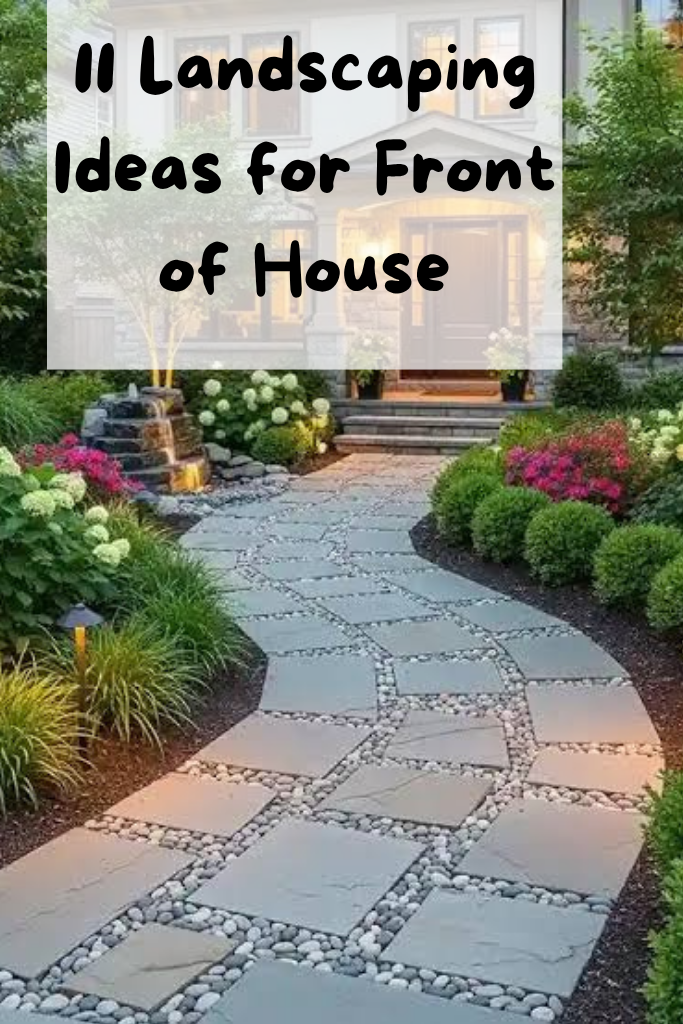
11 Landscaping Ideas for Front of House
Your front yard doesn’t need to look like a gardening catalog to make a great first impression. A few smart landscaping ideas for the front of house can add color, structure, privacy, and personality without turning your weekend into an unpaid full-time gardening job.
I’ve always liked front-yard landscaping that looks beautiful but still feels easy to live with. Why spend every Saturday trimming twenty different plants when you could create a space that practically takes care of itself? These 11 ideas can help you create a welcoming front yard while keeping maintenance, budget, and style in mind.
1. Create a Welcoming Front Walkway
A beautiful walkway can instantly improve the appearance of your home’s entrance. Instead of letting a plain concrete path disappear into the landscape, frame it with plants, flowers, or decorative edging.
You can use stone, brick, gravel, concrete, or pavers depending on your home’s style. For a traditional house, brick or natural stone can add classic charm, while clean concrete pavers work beautifully with modern homes.
Add low-growing plants along the edges so they don’t block the walkway.
Try plants such as:
- Lavender
- Ornamental grasses
- Boxwood
- Creeping thyme
- Low-growing flowers
- Small evergreen shrubs
Ever wondered why walkways make such a difference? They naturally guide the eye toward your front door and give the entire yard a more organized appearance.
2. Add Layers of Front Yard Plants
One of my favorite landscaping tricks involves planting in layers. Instead of placing every plant at the same height, combine groundcovers, flowers, shrubs, and small trees to create depth.
Start with shorter plants near the walkway. Add medium-sized shrubs behind them, then place taller plants or trees farther toward the house.
This simple arrangement keeps the yard from looking flat.
For example:
Front: flowers and groundcovers
Middle: shrubs and ornamental grasses
Back: small trees or taller evergreen plants
This approach works especially well when you want a lush-looking front yard without filling every inch with plants.
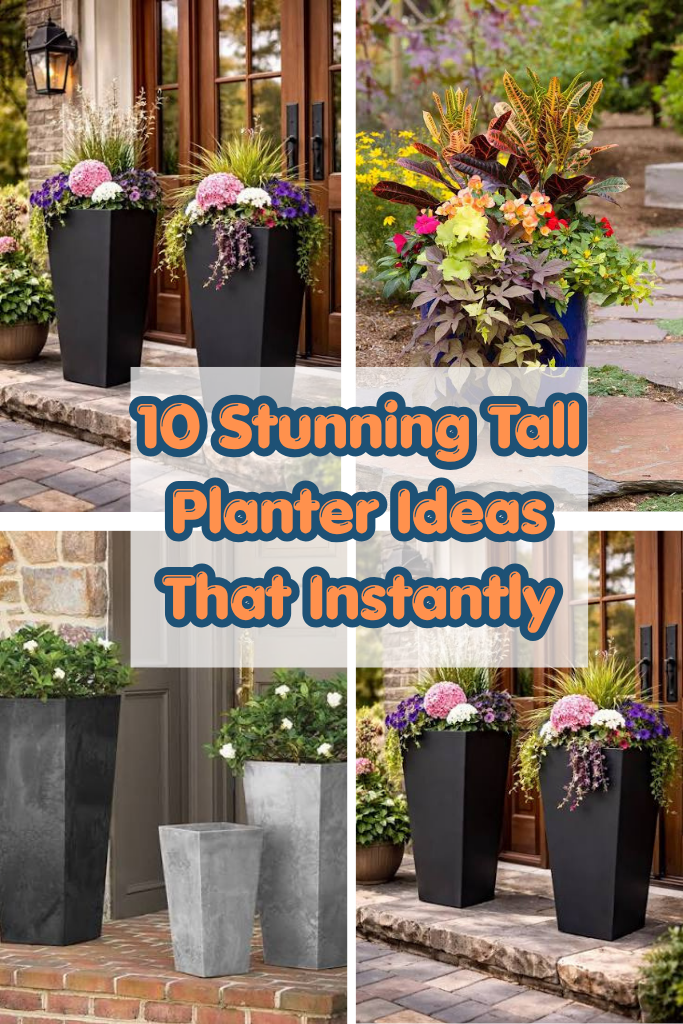
3. Frame the Front Door With Planters
Want a quick front-yard makeover without digging up half your garden? Add planters around your entrance.
Place two large planters on either side of the front door for a symmetrical look. Choose containers that complement your home’s exterior rather than competing with it.
For a colorful entrance, use seasonal flowers. For lower maintenance, choose evergreen shrubs, ornamental grasses, or attractive foliage plants suited to your climate.
Large planters create more visual impact than lots of tiny pots, especially around a larger entrance.
4. Plant a Small Flower Garden
You don’t need a huge flower bed to add color.
Create a small garden along the front of the house or around the walkway. Choose flowers that bloom at different times so your yard can maintain interest throughout the growing season.
You can mix:
- Perennials
- Annual flowers
- Bulbs
- Flowering shrubs
- Ornamental grasses
Choose plants based on your local sunlight, soil, water availability, and climate.
IMO, a smaller flower bed with healthy plants always looks better than a giant bed full of struggling ones.
5. Use Evergreen Shrubs for Year-Round Structure
Flowers look wonderful, but they come and go. Evergreen shrubs can give your front yard structure throughout the year.
Use them around the foundation, along a walkway, or near the driveway.
Good choices depend on your climate, but common landscaping options include:
- Boxwood
- Holly
- Juniper
- Dwarf conifers
- Evergreen grasses
- Other locally adapted evergreen shrubs
Before planting, check the mature size of each plant. That tiny shrub at the garden center might eventually become a giant green wall beside your window.
Always plan for mature height and width, not the size of the plant when you buy it.
6. Add a Small Ornamental Tree
A carefully chosen small tree can become the focal point of your front yard.
Consider flowering trees, Japanese maple-style trees, small ornamental fruit trees, or another species that suits your local climate.
Place the tree where it can complement the house without blocking windows, pathways, utility lines, or important sightlines.
A small tree can also add height to a landscape that mostly contains low shrubs and flowers.
Think About the Mature Size
Before planting, ask:
- How tall will the tree become?
- How wide will the canopy grow?
- How much sunlight does it need?
- Will its roots conflict with nearby structures?
- Does it suit the local climate?
Planning ahead saves you from a future landscaping headache.
7. Create a Modern Gravel Landscape
If you prefer clean, contemporary landscaping, gravel can give your front yard a polished appearance.
Combine decorative gravel with large stepping stones, architectural plants, and simple shrubs. Use crisp borders to keep the different materials visually organized.
This style can work particularly well in areas where traditional lawns require significant irrigation.
However, gravel doesn’t mean zero maintenance. Leaves still fall, weeds still appear, and someone still has to move the occasional rogue rock back into place. 🙂
Use landscape fabric only when appropriate, and focus on proper site preparation and weed management rather than expecting fabric to solve every problem.
8. Replace Some Lawn With Garden Beds
A large lawn can look great, but it also demands regular mowing and maintenance.
Consider replacing a portion of the grass with planting beds, groundcovers, native plants, or other landscape features.
You don’t need to eliminate the lawn completely. Even reducing the grass around the edges can create more visual interest.
Try creating curved planting beds around:
- Trees
- Walkways
- Driveways
- Porch areas
- Front windows
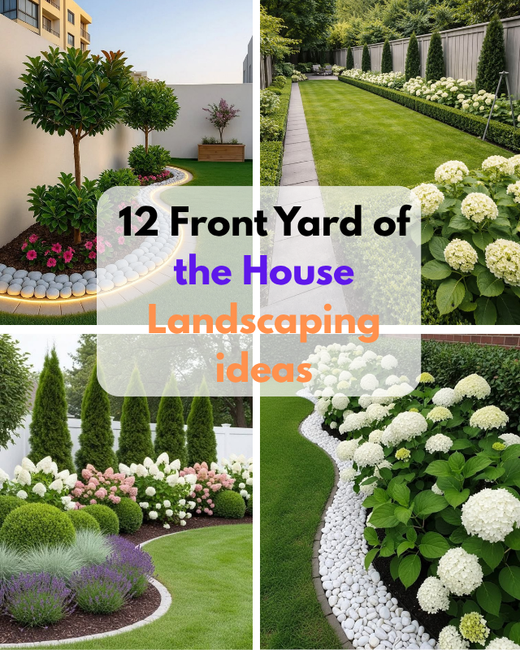
Curved garden borders can soften a boxy house, while straight lines often complement modern architecture.
9. Add Decorative Edging
Garden edging gives your front landscaping a finished appearance.
You can use stone, brick, metal edging, timber, or other suitable materials to separate planting beds from lawns and pathways.
Edging helps define spaces and can make routine maintenance easier because grass doesn’t spread as freely into flower beds.
Choose materials that match your home’s exterior.
For example:
- Stone: natural and traditional
- Brick: classic and warm
- Metal: modern and minimal
- Wood: rustic and relaxed
- Concrete: clean and contemporary
The best edging doesn’t need to scream for attention. It simply makes everything look more intentional.
10. Build a Cozy Porch Garden
Your front porch offers another opportunity to add greenery.
Use containers, hanging baskets, window boxes, and small potted trees to create a welcoming entrance.
For a farmhouse-inspired look, combine wooden planters with overflowing flowers. For a modern home, choose large geometric containers with simple foliage.
You can rotate seasonal plants throughout the year.
Spring might bring colorful bulbs, summer can bring flowering plants, and fall can introduce ornamental grasses, mums, or seasonal foliage.
Container gardening gives you flexibility because you can move plants around whenever you want to refresh the entrance.
11. Create a Low-Maintenance Front Yard
Not everyone wants to spend hours gardening every week. If you’d rather enjoy your yard than constantly maintain it, build your landscape around plants that suit your conditions.
Start by choosing locally adapted plants that match your climate and available sunlight.
A lower-maintenance front yard might include:
- Native or locally adapted plants
- Mulched garden beds
- Evergreen shrubs
- Ornamental grasses
- Perennial flowers
- A smaller lawn area
- Simple pathways
- Container plants
Choose plants based on their actual growing requirements rather than buying something simply because it looks pretty at the garden center.
How to Choose the Right Front Yard Landscaping Style
Before buying plants, look at your house.
Is your home modern, traditional, farmhouse, cottage-style, or Mediterranean-inspired? Your landscaping should complement the architecture rather than fight with it.
Modern Landscaping
Choose:
- Clean lines
- Gravel
- Geometric planters
- Ornamental grasses
- Simple shrubs
- Limited color palettes
Cottage Landscaping
Choose:
- Flowering plants
- Curved garden beds
- Stone paths
- Climbing plants
- Mixed-height flowers
- Charming containers
Farmhouse Landscaping
Choose:
- Natural stone
- Wooden planters
- Hydrangea-style shrubs
- Simple flowers
- Gravel paths
- Rustic accessories
The goal isn’t to copy someone else’s yard. Use their ideas as inspiration, then adapt them to your home’s architecture and your own maintenance preferences.
Front Yard Landscaping Ideas on a Budget
You don’t have to redesign everything at once.
Start with the areas that people notice first:
- Clean up existing planting beds.
- Add fresh mulch.
- Trim overgrown shrubs.
- Define garden edges.
- Add two attractive planters.
- Refresh the walkway.
- Plant a few colorful flowers.
- Replace struggling plants.
- Add one focal point.
- Improve the area around the front door.
Mulch can create an immediate finished look while helping your planting beds retain moisture and suppress some weed growth.
You can also divide established perennials and use cuttings or seeds when appropriate to expand your garden gradually.
How to Make a Small Front Yard Look Bigger
Small yards need careful planning, but you can still create plenty of visual interest.
Use plants of different heights and avoid filling every available corner. A clear walkway and a little open space can make the yard feel more spacious.
Try these tricks:
- Use a limited color palette.
- Keep pathways visually clear.
- Choose appropriately sized plants.
- Use vertical plants for height.
- Repeat the same plants throughout the yard.
- Create one strong focal point.
- Keep garden borders simple.
Repetition creates visual flow, which helps a small landscape feel more cohesive.
Common Front Yard Landscaping Mistakes
Even beautiful plants can create problems when you place them in the wrong location.
Avoid these common mistakes:
- Planting trees too close to the house
- Ignoring mature plant size
- Choosing plants that don’t suit the sunlight
- Overcrowding garden beds
- Mixing too many unrelated styles
- Forgetting drainage
- Creating slippery or obstructed walkways
- Choosing high-maintenance plants for a busy lifestyle
FYI, your local nursery or extension service can often help you choose plants that actually thrive in your area.
Final Thoughts
Great landscaping ideas for front of house don’t require a massive budget or an enormous garden. Start with the basics: create a welcoming walkway, add layers of plants, frame your entrance, introduce seasonal color, and choose shrubs and trees that suit your space.
Think about maintenance before you plant. A beautiful yard should fit your lifestyle, not force you into a weekly battle with weeds and pruning shears.
Pick one or two ideas from this list and start small. A few thoughtful changes can completely transform your front yard—and give your home the welcoming entrance it deserves. 🌿