
11 Perfect Herbs to Grow Indoors for Fresh, Year-Round Flavor
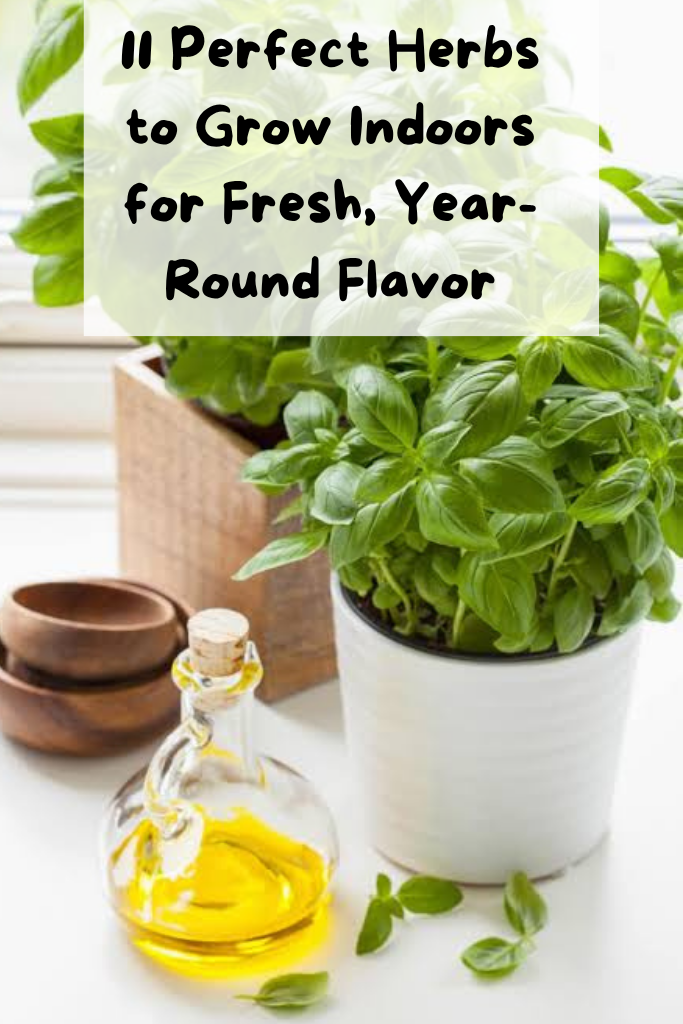
Why buy a tiny bundle of herbs at the grocery store when you can snip fresh leaves right from your kitchen? Growing herbs indoors gives you easy access to fresh flavor all year, even when cold weather turns your outdoor garden into a very sad-looking patch of dirt.
I love indoor herb gardens because they don’t require much space. A sunny windowsill, a few pots, and the right plants can give you everything from fresh basil for pasta to mint for tea. So, which herbs actually thrive indoors? Let’s look at 11 easy options that can keep your kitchen green and your meals much more flavorful.
Why Grow Herbs Indoors?
An indoor herb garden offers more than convenience. You can control the growing environment, protect your plants from harsh weather, and enjoy fresh herbs throughout the year.
You also don’t need a fancy setup. Most herbs need sunlight, well-draining soil, a suitable container, and regular watering.
Indoor herbs can help you:
- Save money on frequently purchased fresh herbs
- Add fresh flavor to everyday meals
- Decorate your kitchen naturally
- Enjoy gardening during winter
- Grow herbs even without a backyard
Ever wondered how much easier cooking feels when you can grab exactly what you need without opening the refrigerator? That’s one of my favorite things about growing herbs indoors.
1. Basil
Basil deserves the top spot because it grows quickly and tastes incredible when you use it fresh.
Give basil a bright, sunny window and water it when the top layer of soil feels dry. Regularly pinch the growing tips to encourage a bushier plant instead of letting it stretch toward the light.
Why Grow Basil Indoors?
Fresh basil works beautifully in:
- Pasta
- Pizza
- Pesto
- Salads
- Sandwiches
- Soups
Basil can grow enthusiastically when it gets enough light, so don’t hesitate to harvest it regularly. In fact, harvesting encourages more growth.
2. Mint
Mint ranks among the easiest herbs for indoor gardening.
It tolerates a little neglect better than many delicate herbs, and its refreshing scent makes your kitchen smell wonderful. Give it a sunny spot and keep the soil lightly moist.
Keep Mint in Its Own Pot
Mint spreads aggressively outdoors, but you don’t need to worry about that problem when you grow it in a container.
Use mint for:
- Tea
- Lemonade
- Desserts
- Salads
- Smoothies
- Sauces
Always give mint its own container if you plan to grow several herbs together. Trust me, mint likes to take over the neighborhood. 🙂
3. Parsley
Parsley offers plenty of flavor and works as both a cooking herb and a pretty kitchen plant.
Choose a container with good drainage and place it near a bright window. Parsley can handle slightly cooler indoor temperatures, which makes it useful during winter.
Use fresh parsley to brighten:
- Soups
- Pasta
- Roasted vegetables
- Fish
- Rice dishes
- Salads
I especially like parsley because it adds fresh color to meals without overpowering other ingredients.
4. Chives
If you want an easy indoor herb, put chives near the top of your list.
Chives grow in small clumps and don’t need much space. Snip the green stems with scissors whenever you need them, and the plant will continue producing new growth.
Where to Use Chives
Try fresh chives with:
- Scrambled eggs
- Baked potatoes
- Soups
- Salads
- Cream cheese
- Homemade dips
Their mild onion flavor works with almost everything.
5. Oregano
Oregano loves sunlight, so place it near your brightest window.
Unlike herbs that prefer consistently moist soil, oregano likes its soil to dry slightly between waterings. That makes it a good choice if you sometimes forget about your plants for a day or two.
Use oregano in:
- Tomato sauces
- Pizza
- Pasta
- Roasted vegetables
- Mediterranean dishes
Good drainage matters more than constant watering.
6. Thyme
Thyme grows into a compact little plant, making it perfect for a windowsill herb garden.
Give it plenty of sunlight and use a pot with drainage holes. Let the soil dry slightly between waterings to reduce the risk of root problems.
Why I Like Thyme
Thyme adds a warm, earthy flavor to:
- Chicken
- Roasted potatoes
- Vegetables
- Soups
- Stews
- Beans
You can also enjoy its delicate leaves without needing a huge plant.
7. Rosemary
Rosemary brings that unmistakable Mediterranean aroma into your home.
It prefers lots of sunlight and relatively dry soil, so don’t treat it like basil. Let the soil dry between waterings and give the plant plenty of airflow.
Rosemary works especially well with:
- Roasted potatoes
- Chicken
- Lamb
- Vegetables
- Bread
- Soups
FYI, rosemary can become woody and large over time, so regular pruning helps keep your indoor plant compact.
8. Cilantro
Cilantro grows quickly, which makes it satisfying for anyone who enjoys harvesting herbs often.
Place it somewhere bright and keep the soil consistently but lightly moist. Unlike some perennial herbs, cilantro has a shorter growing cycle, so you may want to sow new seeds regularly for a continuous supply.
Fresh Cilantro Works Great With
- Tacos
- Salsa
- Curries
- Rice
- Soups
- Guacamole
If your household has strong opinions about cilantro, though, you already know this herb can start a family debate. 🙂
9. Sage
Sage has soft, textured leaves and a strong savory flavor.
It likes plenty of sunlight and well-draining soil. Allow the soil to dry somewhat between waterings, and avoid keeping the roots constantly wet.
Use sage with:
- Roasted meats
- Pasta
- Butter sauces
- Stuffing
- Squash
- Potatoes
Its silvery-green foliage also adds a beautiful decorative touch to an indoor herb garden.
10. Dill
Dill brings a fresh, slightly tangy flavor to dishes and grows well from seed.
Give it a bright location and use a deeper container because dill develops a long root system. Harvest the feathery leaves regularly, but don’t remove too much at once.
Fresh dill works beautifully with:
- Fish
- Potatoes
- Pickles
- Salads
- Eggs
- Yogurt sauces
If you enjoy homemade dips, dill quickly becomes one of those herbs you wonder how you ever lived without.
11. Lemon Balm
Lemon balm combines gardening and aromatherapy in one cheerful little plant.
Rub one of its leaves gently between your fingers and you’ll notice its fresh lemony fragrance. Give it bright light, moderate watering, and a container with good drainage.
Ways to Use Lemon Balm
You can add the leaves to:
- Herbal tea
- Lemonade
- Fruit salads
- Desserts
- Cold drinks
Lemon balm also looks attractive on a sunny kitchen shelf.
How to Choose the Best Indoor Herbs
Not every herb needs exactly the same conditions. Before filling your windowsill with every plant you see at the garden center, consider your available light and how often you actually want to water.
For Sunny Windows
Choose:
- Basil
- Rosemary
- Oregano
- Thyme
- Sage
These herbs generally appreciate strong light.
For Slightly Less Intense Light
Try:
- Mint
- Parsley
- Chives
- Lemon balm
However, all indoor herbs need adequate light for strong, healthy growth.
The Best Location for an Indoor Herb Garden
A sunny kitchen windowsill provides one of the easiest setups.
Ideally, choose a location that receives several hours of bright light each day. If your home doesn’t get enough natural sunlight, consider using a full-spectrum grow light.
Keep plants away from cold drafts, heating vents, and sudden temperature changes. Your herbs don’t need a five-star spa, but they do appreciate stable conditions.
How Often Should You Water Indoor Herbs?
Don’t follow a strict calendar.
Instead, check the soil with your finger. If the surface feels dry, check a little deeper before watering.
Different herbs prefer different moisture levels:
- Basil: Likes more consistent moisture
- Mint: Prefers evenly moist soil
- Parsley: Likes moderate moisture
- Rosemary: Prefers drier soil
- Oregano: Likes soil to dry between watering
- Thyme: Prefers relatively dry conditions
Overwatering causes more indoor herb problems than underwatering in many home gardens.
Choose the Right Pots
Your container can make or break your indoor herb garden.
Always choose pots with drainage holes so excess water can escape. Without drainage, water can collect around the roots and create problems.
You can use:
- Terracotta pots
- Ceramic containers
- Plastic nursery pots
- Metal planters with proper drainage
- Small window boxes
I personally like terracotta because it looks beautiful and allows the soil to dry more quickly.
Use Good Potting Soil
Don’t simply scoop soil from your backyard and put it into an indoor container.
Use a quality well-draining potting mix designed for containers. Garden soil can become compacted inside pots and may also bring unwanted insects indoors.
For herbs, aim for soil that drains well while still holding enough moisture to support healthy roots.
How to Harvest Indoor Herbs
Regular harvesting keeps many herbs productive.
Use clean scissors or your fingers to remove leaves and stems without damaging the main plant. Avoid taking more than roughly one-third of the plant at one time.
Simple Harvesting Tips
- Harvest in the morning when practical
- Remove damaged leaves
- Pinch basil above a leaf pair
- Trim chives near the base
- Pick rosemary sprigs from the growing tips
- Harvest mint regularly to encourage new growth
The more thoughtfully you harvest, the better your indoor herb garden can continue producing.
Common Indoor Herb Gardening Mistakes
Even easy herbs can struggle when we give them too much love—or not enough.
Watch out for these common mistakes:
- Overwatering
- Using pots without drainage
- Choosing a dark location
- Crowding too many plants together
- Ignoring pests
- Using poor-quality soil
- Harvesting too aggressively
If your herbs look pale or stretched, they may need more light. If the leaves turn yellow and the soil stays soggy, check your watering habits first.
Can You Grow Herbs Indoors All Year?
Absolutely, but you need to adjust your care as seasons change.
During summer, your plants may receive plenty of natural sunlight through a window. During winter, shorter days can reduce available light, so a grow light can help maintain healthy growth.
Year-round indoor herb gardening works best when you match your care routine to the season.
Final Thoughts
Growing fresh herbs indoors doesn’t require a greenhouse, a giant kitchen, or a gardening degree. Start with easy favorites like basil, mint, parsley, chives, oregano, thyme, and rosemary, then add cilantro, sage, dill, or lemon balm as your confidence grows.
Give your plants enough light, use containers with drainage, choose the right soil, and water according to each herb’s needs. Once you start snipping fresh herbs for dinner, grocery-store herb bundles may suddenly look a little ridiculous.
So, which herb will you grow first? Pick one sunny windowsill, grab a pot, and start small. Your future pasta, roasted potatoes, homemade tea, and salads will thank you.