10 Creative Bee Watering Station Ideas
Bees work hard every single day, and they need water just as much as they need flowers. The problem? A deep bowl of water can quickly turn into a tiny swimming pool with no lifeguard. That’s why a bee watering station makes such a difference.
I started adding simple bee water stations around my garden a few years ago, mostly because I got tired of watching bees hover around muddy puddles after watering my plants. Once I gave them a safer option, they actually started visiting it every day. Pretty amazing for such a tiny project, right?
If you want to attract more pollinators while helping your local ecosystem, these 10 creative bee watering station ideas are easy, affordable, and surprisingly fun to build.
Why Bees Need a Watering Station
Many people assume bees only collect nectar. They don’t.
Bees also collect fresh water to cool their hives, dilute stored honey, and feed developing larvae. During hot weather, water becomes just as important as flowers.
Without a safe landing spot, bees can easily drown in bird baths, buckets, or pet bowls. A good watering station solves that problem by giving them a shallow place to drink safely.
Benefits include:
- Helping local bee populations
- Attracting more pollinators to your garden
- Reducing bee drownings
- Supporting healthier flowers and vegetables
- Creating an interesting garden feature
Pretty good return for something that costs almost nothing, isn’t it?
1. Pebble-Filled Shallow Dish
This classic design works because it’s incredibly simple.
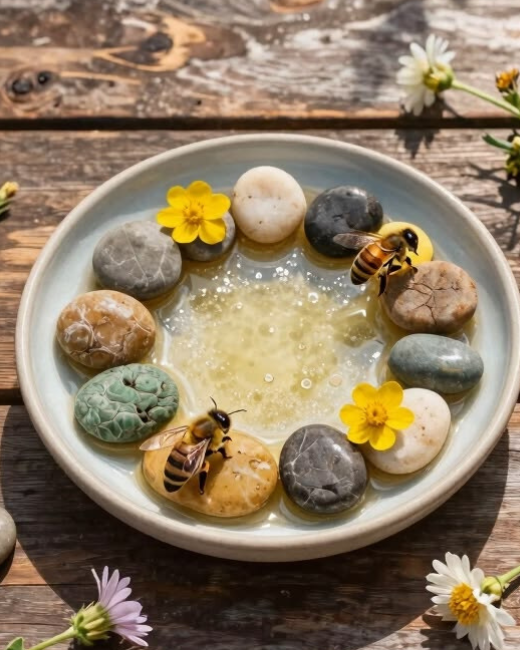
Grab a shallow ceramic plate or saucer and fill it with smooth stones or pebbles. Add enough water so the tops of the stones stay above the surface.
The bees land on the rocks instead of floating in the water like tiny, confused cruise passengers.
Why It Works
- Easy to make
- Safe landing spots
- Looks attractive
- Simple to refill
I honestly recommend this option for beginners because it rarely goes wrong.
2. Floating Wine Cork Water Station
Don’t throw away wine corks.
Instead, place several natural corks inside a shallow bowl of water. The corks float while giving bees plenty of places to stand.
The moving corks also help prevent insects from becoming trapped.
Best Materials
- Natural wine corks
- Wide ceramic bowl
- Fresh clean water
Avoid synthetic corks since they don’t always float as naturally.
3. Terracotta Pot Saucer Station
Terracotta naturally blends into almost every garden.
Simply place a terracotta saucer on the ground and scatter decorative stones inside before adding water.
The clay also helps keep water slightly cooler during warm afternoons.
Extra Tip
Position the saucer near flowering plants but not directly underneath sprinklers.
Nobody enjoys drinking while getting blasted with water. Bees definitely agree.
4. Vintage Teacup Bee Station
Want something that’s both useful and adorable?
Use an old teacup and matching saucer filled with marbles, glass gems, or tiny pebbles.
It instantly adds cottage garden charm while serving an important purpose.
Decorative Ideas
- Floral china
- Antique cups
- Colorful marbles
- Moss around the base
This option always gets compliments from visitors because it looks intentional instead of improvised.
5. Hanging Bee Water Feeder
Short on ground space?
Hang a shallow dish using sturdy rope or macramé hangers.
Fill it with stones before adding water to create safe landing areas.
Benefits
- Keeps pets away
- Adds vertical interest
- Easy to spot
- Works well on balconies
Just make sure the hanger stays stable. Bees appreciate excitement in flowers—not while drinking.
6. Solar Fountain with Landing Stones
Many people think moving water scares bees.
Actually, gentle water movement can attract them because it stays fresher longer.
Choose a small solar fountain with a very low flow setting and surround it with flat rocks.
Keep It Bee-Friendly
- Use minimal water movement.
- Add plenty of landing surfaces.
- Clean algae regularly.
- Refill during hot weather.
FYI, don’t turn the fountain into Niagara Falls. Bees came for a drink, not a white-water rafting adventure.
7. Moss Garden Water Station
Moss acts like a natural sponge.
Place moist moss inside a shallow tray and slowly add water underneath. The moss stays damp without creating deep pools.
Bees can safely drink directly from the damp surface.
Advantages
- Natural appearance
- Holds moisture longer
- Reduces standing water
- Great for woodland gardens
This design also attracts butterflies and other beneficial insects.
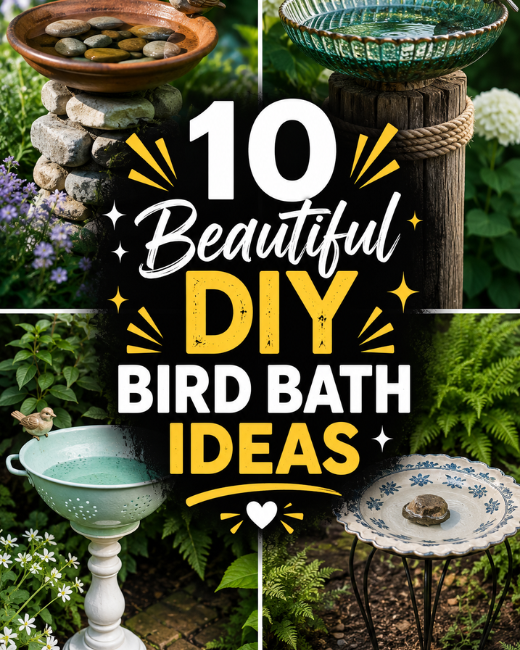
8. Bird Bath Bee Landing Zone
Already own a bird bath?
No problem.
Simply add several large flat stones that extend above the water level.
Now birds still enjoy bathing while bees have safe places to land.
Make It Better
Arrange stones from shallow to deeper water.
This creates multiple drinking levels for different insects.
It’s a tiny adjustment with a surprisingly big impact.
9. Recycled Glass Jar Drip Station
Love DIY projects?
Flip a glass jar filled with water into a shallow dish, similar to small poultry waterers.
Place stones inside the dish so bees can drink safely while fresh water slowly replaces what’s used.
You’ll Need
- Glass mason jar
- Shallow tray
- Decorative stones
- Water
This setup also requires less frequent refilling, which is always a bonus.
10. Mini Pollinator Oasis
Why stop at just water?
Create a complete pollinator corner by combining:
- A bee watering station
- Native flowering plants
- Flat basking stones
- Small logs
- Bee-friendly herbs
- Mulch for moisture retention
This quickly becomes one of the busiest spots in your garden.
IMO, this option creates the biggest overall benefit because it supports bees, butterflies, ladybugs, and other helpful insects all in one place. 🙂
Where Should You Place a Bee Watering Station?
Location matters more than many people realize.
Bees prefer water sources they can easily find without traveling long distances.
Choose a location that offers:
- Morning sunlight
- Partial afternoon shade
- Nearby flowers
- Wind protection
- Easy access for refilling
Avoid placing stations directly under trees where falling leaves quickly dirty the water.
Keep the Water Fresh
Fresh water keeps bees healthy.
I replace mine every couple of days during summer. It takes less than two minutes, and the bees seem to appreciate it.
Simple Maintenance Checklist
- Replace water every 2–3 days.
- Remove algae weekly.
- Wash containers regularly.
- Reposition stones if needed.
- Refill during hot weather.
Clean water attracts more visitors than stagnant water.
Common Mistakes to Avoid
Even a simple bee watering station can become unsafe if you overlook a few details.
Using Deep Containers
Deep bowls increase drowning risks.
Always choose shallow containers with plenty of landing spots.
Forgetting Landing Surfaces
Never leave open water by itself.
Add stones, marbles, corks, moss, or pebbles so bees can drink safely.
Placing It in Full Shade
Bees usually notice water more easily in sunny locations.
Aim for gentle morning sun whenever possible.
Ignoring Maintenance
Dirty water attracts mosquitoes and algae.
A quick rinse keeps everything fresh and inviting.
How to Attract More Bees Naturally
A watering station works even better when you combine it with bee-friendly plants.
Consider growing:
- Lavender
- Coneflowers
- Bee balm
- Black-eyed Susans
- Salvia
- Borage
- Thyme
- Rosemary
The more food and water you provide, the more pollinators will return throughout the season.
Ever noticed how bees seem to tell their friends about good spots? They actually communicate food and resource locations inside the hive, so one happy visitor often leads to many more.
Are Bee Watering Stations Worth It?
Absolutely.
A bee watering station doesn’t cost much, doesn’t require advanced gardening skills, and doesn’t take hours to maintain. Yet it provides something bees genuinely need every day.
Better still, healthier bee populations often lead to better pollination, which means fuller flower beds, healthier vegetables, and more productive fruit trees. That’s a win for everyone.
Final Thoughts
Creating a bee watering station ranks among the easiest ways to support local pollinators. Whether you choose a pebble-filled dish, a floating cork design, a vintage teacup, or a complete pollinator oasis, you’ll give bees a safe place to drink while adding charm to your outdoor space.
Start with one simple idea, keep the water fresh, and watch what happens over the next few weeks. You might find yourself checking on your tiny visitors every morning—don’t worry, it happens to the best of us. After all, helping bees feels pretty rewarding for such a small project, doesn’t it?