How to Help Your Local Bees
In recent years, with more people realizing the effects of climate change and harmful pesticides, there’s been a growing push to “Save the Honey Bees”. And while honey bees are important for helping pollinate plants and crops, all pollinators are at risk. Pollinators aren’t just bees, they can be any insect or animal that transports pollen from one plant to another, fertilizing the plants in the process. While there are a variety of bee species that pollinate flowers and plants, other pollinators include butterflies, bats, hummingbirds, beetles, flies, and many more.
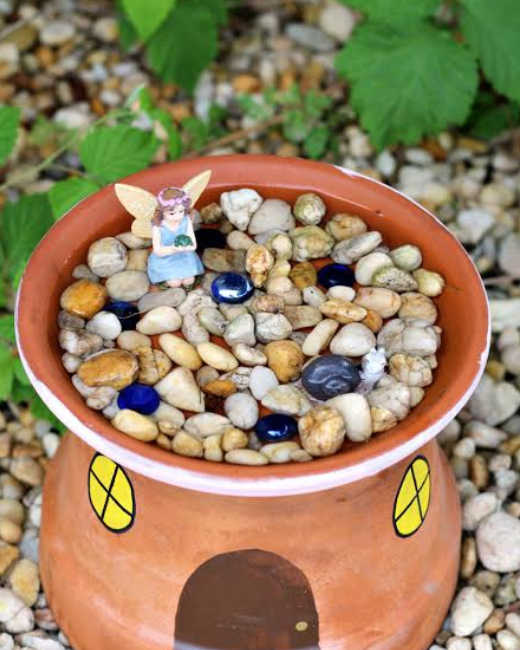
If you enjoy gardening and have a yard or patio available, consider creating a bee friendly garden. Catering your outdoor space for pollinators can help your garden thrive, and watching the bees & pollinators enjoying it is a great way to relax and appreciate nature.
Similar to buying organic produce, skip the pesticides in your own garden. If necessary, find some natural and non-toxic alternatives to harsh chemical pesticides and insecticides, such as utilizing ladybugs to treat an aphid infestation, or using lavender and rosemary as a mosquito repellant. Not only can these natural solutions resolve the pest problem, they’re better for the plants and wildlife as well.
Start by choosing some flowers and plants that will attract bees & pollinators, and plant them for the right season. Some plants bloom in early spring, while others blossom in summer or fall. By planting a variety of plants that pollinators can enjoy year round, you’re helping provide a reliable food source for them. Consider gardening with plants native to your region, as these are better suited to withstand the environment as well as support the local wildlife. You can use this
Build a Bee Bath
Just like any other animals, bees and pollinators need water to survive. While larger birds and bats typically have an easier time finding water, bees and smaller insects are much more vulnerable when searching for water. If you know anyone with a pool, they’ll tell you just how many bees are found floating in pools. They’ll often try to fly down to drink some of the water, but will drown as they have no place to land. One way to help prevent this problem is by building your own bee bath!
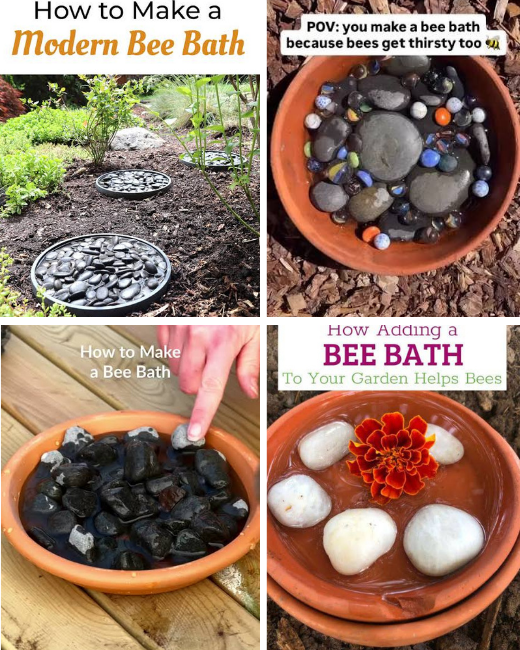
Materials
- A shallow dish, saucer, or plant tray
- Small rocks, pebbles, marbles, or wine corks
- Fresh water
- Optional: flowers nearby to attract pollinators
Step 1: Choose a Shallow Container
Pick a dish that is only a few inches deep. Bees need easy access to the water surface.
Step 2: Add Rocks or Pebbles
Fill the dish with pebbles, stones, or corks so they stick above the water. These act as landing spots for bees.
Step 3: Add Water
Pour water into the dish until the tops of some rocks remain exposed. Bees can stand on these while drinking.
Step 4: Place in a Sunny Spot
Put the bee bath in a quiet area of your garden, patio, or balcony. Near flowering plants is ideal.
Step 5: Keep It Clean
- Refill with fresh water every few days.
- Rinse the container weekly.
- Remove algae or debris when needed.
Step 6: Help Bees Find It
Add a few colorful flowers nearby such as:
- Lavender
- Coneflowers
- Sunflowers
- Marigolds
Pro Tips
- ✅ Use rainwater when possible.
- ✅ Add a few extra pebbles during hot weather.
- ✅ Never use pesticides near the bee bath.
- ✅ Keep water shallow to prevent drowning.
Your bee bath can be built in less than 10 minutes and will help support local pollinators throughout the season
.Plant a Bee Friendly Garden
tart by choosing some flowers and plants that will attract bees & pollinators, and plant them for the right season. Some plants bloom in early spring, while others blossom in summer or fall. By planting a variety of plants that pollinators can enjoy year round,
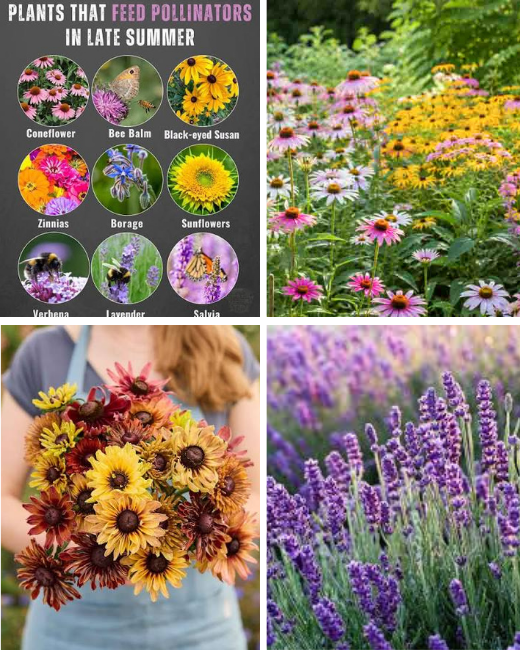
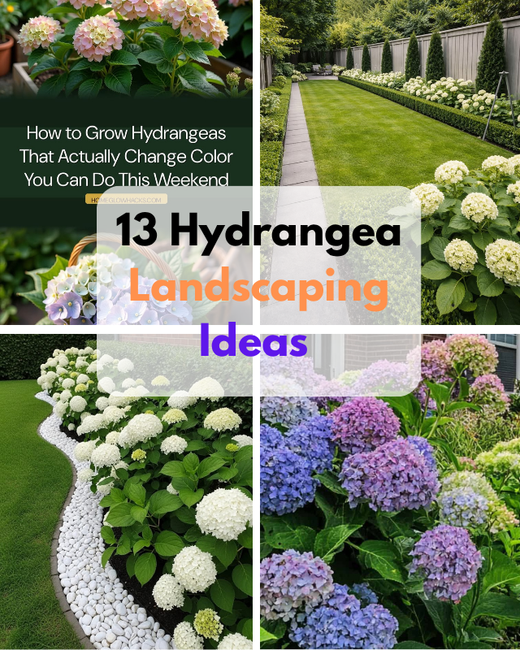
Some of the best plants for bees & other pollinators that can thrive in many different environments include: Rosemary, Lavender, Sage, Oregano, Thyme, Poppies, Sunflowers, Catnip, Lupins, and most species of wildflowers. Milkweed is also a vitally important plant for Monarch Butterflies,
Select plants that flower at different times.
as this species relies solely on milkweed plants nesting and laying their eggs. As natural milkweed populations are shrinking, consider purchasing seeds and planting a variety of to help out the Monarch Butterflies. Please note that milkweed plants are toxic to dogs, cats, and horses, so please plan accordingly and plant them in a pet-free location.
Here’s a cleaner, more structured version of your text:
Best Plants for Bees & Pollinators
Some of the most effective plants for attracting bees and other pollinators that can grow in many environments include:
- Rosemary
- Lavender
- Sage
- Oregano
- Thyme
- Poppies
- Sunflowers
- Catnip
- Lupins
- A variety of native wildflowers
These plants are rich in nectar and pollen, making them highly valuable for supporting healthy pollinator populations.
Looking for a more hands on and direct way to help pollinators? Consider getting your own beehive! It’s a wonderful way to see honey bees at work up close, while providing them with a safe place to build their hive. And as bees are known for their hard work, self-sustaining and engineering capabilities, beehives require almost no maintenance from you. Just be sure to check your town’s regulations on owning a beehive, and that it’s placed in an appropriate location with adequate sunlight. Alternatively, you can provide a nesting area for other pollinators. Install a bee hotel, which is a home for solitary bees to nest and lay eggs, or a bat box, which provides a place for bats to birth and raise their young.